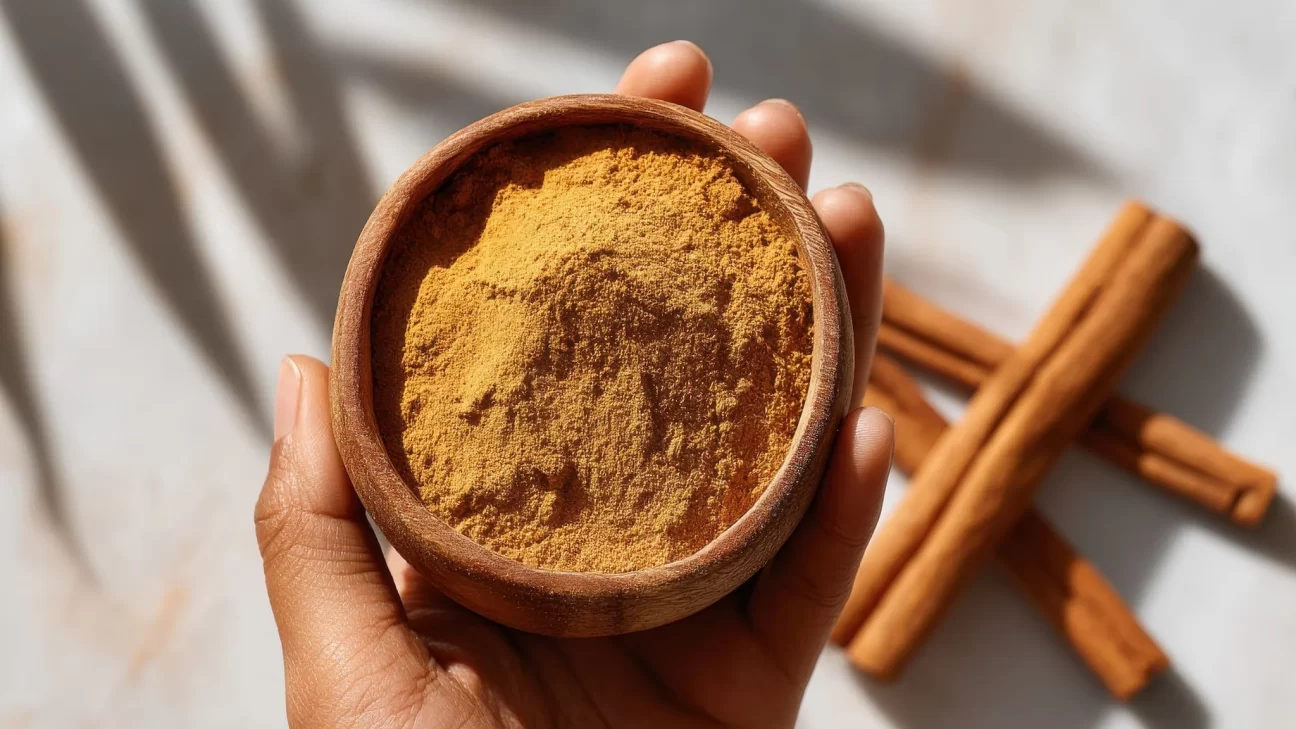
Cinnamon, a fragrant spice derived from the inner bark of Cinnamomum trees, has been treasured for thousands of years not only for its unique flavor and aroma but also for its remarkable health benefits. From ancient Egyptian embalming rituals to modern-day culinary uses, cinnamon’s role extends far beyond the kitchen. Recent scientific research has unveiled its potential as a natural remedy for a variety of health conditions, including diabetes, cardiovascular diseases, neurodegenerative disorders, and even cancer.
In this article, we explore the health benefits of cinnamon, supported by insights from recent studies, to understand why this humble spice deserves a place in your daily wellness routine.
What is Cinnamon?
Cinnamon is harvested from the inner bark of tropical evergreen trees belonging to the Lauraceae family. There are two main varieties:
- Ceylon cinnamon (Cinnamomum verum), also known as “true cinnamon,” grown primarily in Sri Lanka and southern India. It has a delicate flavor and low coumarin content.
- Cassia cinnamon (Cinnamomum cassia), commonly found in China, Indonesia, and Vietnam. It has a stronger flavor but contains higher levels of coumarin, a compound that may be harmful in large amounts.
Both types contain bioactive compounds such as cinnamaldehyde, eugenol, and polyphenols, which contribute to cinnamon’s therapeutic properties.
Key Health Benefits of Cinnamon
1. Regulates Blood Sugar and Supports Diabetes Management
One of the most widely recognized health benefits of cinnamon is its ability to help regulate blood glucose levels. Research shows that cinnamon enhances insulin sensitivity and mimics insulin activity, improving glucose uptake by cells. A study involving type 2 diabetic patients demonstrated that consuming 1 to 6 grams of cinnamon daily for 40 days significantly reduced fasting blood glucose by 18-29%, triglycerides by 23-30%, and total cholesterol by 12-26% (Hamid Pour et al., 2015).
Mechanistically, cinnamon’s polyphenolic compounds activate insulin receptor kinase activity and promote glycogen synthesis, which helps in stabilizing blood sugar levels. This makes cinnamon a promising complementary therapy for managing type 2 diabetes and prediabetes.
2. Supports Heart Health by Improving Lipid Profile
Cinnamon’s benefits extend to cardiovascular health by positively influencing lipid profiles. Clinical trials have reported reductions in LDL cholesterol (“bad cholesterol”), total cholesterol, and triglycerides in subjects consuming cinnamon supplements. These effects help reduce the risk of atherosclerosis and other heart-related conditions.
Moreover, cinnamon has vasorelaxant properties attributed to cinnamaldehyde, which helps lower blood pressure by promoting nitric oxide production and inhibiting calcium channels in vascular smooth muscle (Kawatra & Rajagopalan, 2015). This dual action on cholesterol and blood pressure underscores cinnamon’s role in maintaining heart health.
3. Potent Antioxidant and Anti-Inflammatory Properties
Oxidative stress and chronic inflammation are underlying factors in many chronic diseases, including cancer, diabetes, and neurodegeneration. Cinnamon is rich in antioxidants such as polyphenols, catechins, and cinnamaldehyde, which neutralize harmful free radicals and reduce oxidative damage.
Research indicates that cinnamon suppresses inflammatory mediators like tumor necrosis factor-alpha (TNF-α) and interleukin-6 (IL-6), and inhibits the NF-κB pathway, a key regulator of inflammation (IJCRT, 2025). These anti-inflammatory effects contribute to tissue repair and may help prevent chronic disease progression.
4. Antimicrobial and Antifungal Effects
Cinnamon essential oils exhibit broad-spectrum antimicrobial activity against bacteria, fungi, and even viruses.
Cinnamaldehyde disrupts bacterial cell membranes and inhibits biofilm formation, making it effective against pathogens such as Staphylococcus aureus, Escherichia coli, and Helicobacter pylori (Hamid Pour et al., 2015; IJCRT, 2025).
Studies also highlight cinnamon’s potential in combating antibiotic-resistant strains and fungal infections, positioning it as a natural alternative or adjunct to conventional antimicrobials.
5. Neuroprotective Potential Against Alzheimer’s and Parkinson’s Disease
Emerging evidence suggests cinnamon may play a role in protecting brain health. Cinnamon extracts inhibit the aggregation of tau proteins and β-amyloid oligomers, which are implicated in Alzheimer’s disease pathology (Hamid Pour et al., 2015). Animal models treated with cinnamon showed reduced plaque formation and improved cognitive function.
Additionally, cinnamon’s ability to enhance insulin signaling in the brain and reduce oxidative stress may contribute to its neuroprotective effects, offering hope for complementary strategies against neurodegenerative diseases (Kawatra & Rajagopalan, 2015).
6. Potential Anti-Cancer Effects
Laboratory studies have demonstrated cinnamon’s ability to inhibit the growth and migration of various cancer cell lines, including breast, cervical, and melanoma cells. Cinnamon extract suppresses angiogenesis—the formation of new blood vessels that tumors need to grow—by blocking vascular endothelial growth factor receptor 2 (VEGFR2) signaling (Hamid Pour et al., 2015; Lu et al., 2010).
While promising, these findings require further clinical trials to establish cinnamon’s efficacy and safety as an anticancer agent.
How to Incorporate Cinnamon into Your Diet
Adding cinnamon to your daily routine is simple and versatile:
- Sprinkle cinnamon powder on oatmeal, yogurt, or fresh fruit.
- Add cinnamon sticks or powder to teas, coffees, and smoothies.
- Use cinnamon in baking and savory dishes for flavor and health benefits.
- Consider cinnamon supplements after consulting with a healthcare professional.
Safety Considerations
While cinnamon is generally safe when consumed in culinary amounts, excessive intake—especially of cassia cinnamon—can lead to coumarin-related liver toxicity. The FDA considers cinnamon safe in food quantities, and studies show that up to 6 grams per day is well tolerated in the short term (Hamid Pour et al., 2015).
Individuals on blood-thinning or antidiabetic medications should consult healthcare providers before using cinnamon supplements to avoid potential interactions.
Conclusion
The health benefits of cinnamon extend far beyond its culinary appeal. Backed by scientific research, cinnamon offers antioxidant, anti-inflammatory, antimicrobial, antidiabetic, cardiovascular, neuroprotective, and anticancer properties. Incorporating this natural spice into your diet can contribute to overall wellness and support the management of chronic diseases.