Introduction
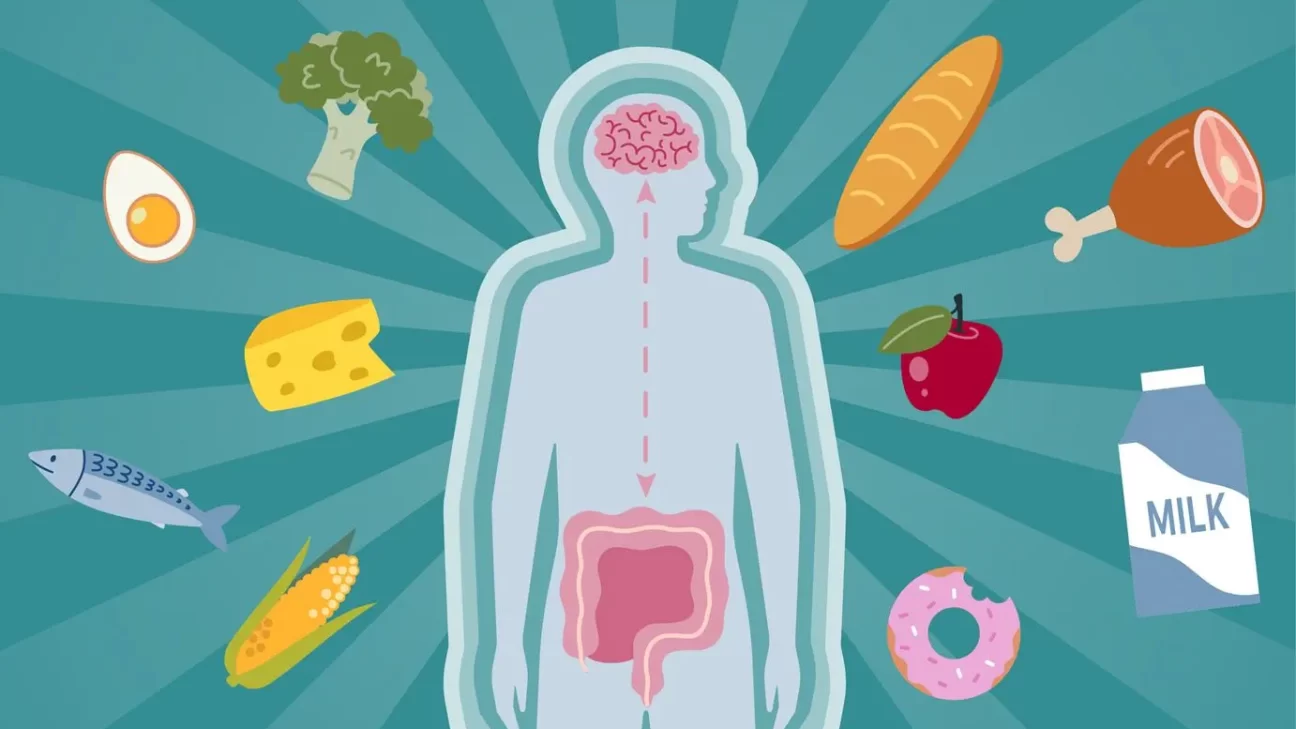
Imagine your gut as a “second brain” — a bustling hub of activity that communicates continuously with your central nervous system. This fascinating connection, known as the gut-brain axis, orchestrates a complex dialogue between your digestive system and brain, influencing everything from mood and cognition to immunity and neurological health. Recent research has unveiled the profound impact of gut microbiota on brain function, revealing new frontiers in understanding mental health disorders and neurodegenerative diseases. In this article, we delve into the mechanisms of the gut-brain axis, its role in health and disease, and promising therapeutic strategies emerging from this dynamic interplay.
What Is the Gut-Brain Axis?
The gut-brain axis (GBA) is a bidirectional communication network integrating the central nervous system (CNS), enteric nervous system (ENS), immune system, endocrine signaling, and the gut microbiota. This axis enables continuous biochemical and neural signaling between the gastrointestinal tract and the brain, regulating physiological homeostasis and cognitive functions.
Key components include:
- Neural Pathways: Vagus nerve and ENS neurons transmit signals.
- Immune Signaling: Cytokines and immune cells mediate inflammatory responses.
- Endocrine Factors: Gut-derived hormones and the hypothalamic-pituitary-adrenal (HPA) axis regulate stress and metabolism.
- Microbial Metabolites: Short-chain fatty acids (SCFAs), tryptophan derivatives, and neurotransmitters produced by gut bacteria influence brain health.
The Role of Gut Microbiota in the Gut-Brain Axis
The human gastrointestinal tract harbors trillions of microorganisms collectively known as the gut microbiota. These microbes are not passive inhabitants; they actively produce neuroactive compounds such as:
- Serotonin: Over 90% of the body’s serotonin is synthesized in the gut, crucial for mood regulation.
- Dopamine: Gut bacteria produce dopamine precursors affecting reward and motivation circuits.
- Gamma-aminobutyric acid (GABA): An inhibitory neurotransmitter influencing anxiety and depression.
Microbial metabolites like SCFAs (acetate, propionate, butyrate) maintain the integrity of the gut barrier and blood-brain barrier (BBB), modulate neuroinflammation, and regulate neurotransmitter synthesis.
Mechanisms of Communication Along the Gut-Brain Axis
1. Neural Pathways
The vagus nerve serves as the primary neural conduit connecting the gut and brain. Approximately 80-90% of its fibers carry sensory signals from the gut to the brain, relaying information about microbial metabolites and gut status. Activation of vagal afferents by SCFAs and neurotransmitters can influence mood, cognition, and autonomic regulation.
The enteric nervous system (ENS), often called the “second brain,” operates semi-autonomously in the gut wall, producing neurotransmitters that affect both local gut function and central brain activity.
2. Immune Signaling
Gut microbes modulate immune responses by influencing cytokine production. Dysbiosis — an imbalance in microbial communities — can increase intestinal permeability (“leaky gut”), allowing bacterial components like lipopolysaccharide (LPS) to enter circulation, triggering systemic inflammation.
This inflammation compromises the BBB, permitting peripheral immune cells to infiltrate the CNS, activating microglia and astrocytes, which contribute to neuroinflammation implicated in disorders such as depression, Alzheimer’s disease (AD), and Parkinson’s disease (PD).
3. Endocrine Pathways
Enteroendocrine cells in the gut secrete hormones like glucagon-like peptide-1 (GLP-1), peptide YY (PYY), cholecystokinin (CCK), ghrelin, and leptin, which influence appetite, metabolism, and stress responses. The gut microbiota modulates these hormones, indirectly affecting brain function.
The HPA axis, a central stress response system, is tightly linked to the gut microbiota. Stress-induced HPA activation alters gut microbial composition, while gut microbes can modulate HPA axis activity, influencing cortisol levels and stress resilience.
4. Microbial Metabolites
SCFAs produced by fiber-fermenting bacteria reinforce the gut epithelial barrier and BBB, suppress neuroinflammation, and regulate neurotransmitter systems. Tryptophan metabolites influence serotonin pathways and immune modulation, with imbalances linked to mood disorders.
Gut-Brain Axis in Health and Disease
Disruptions in the gut-brain axis are increasingly associated with a spectrum of neurological and psychiatric disorders:
- Depression and Anxiety: Characterized by dysbiosis with reduced SCFA-producing bacteria and increased pro-inflammatory taxa, leading to neuroinflammation and serotonin dysregulation.
- Alzheimer’s Disease: Altered gut microbiota reduces neuroprotective metabolites, exacerbating amyloid-beta accumulation and neuroinflammation.
- Parkinson’s Disease: Dysbiosis facilitates alpha-synuclein aggregation and neurodegeneration via immune activation and microbial toxins.
- Autism Spectrum Disorder: Early-life microbiota imbalance affects neurodevelopment and behavior.
- Multiple Sclerosis: Microbial modulation of immune cells contributes to CNS autoimmunity.
Emerging Therapeutic Strategies Targeting the Gut-Brain Axis
- Probiotics and Psychobiotics: Beneficial bacteria such as Lactobacillus and Bifidobacterium strains can restore microbial balance, modulate neurotransmitter production, and reduce inflammation, showing promise in alleviating depression and anxiety symptoms.
- Prebiotics and Dietary Interventions: Dietary fibers, polyphenols, and omega-3 fatty acids promote SCFA-producing microbes, supporting BBB integrity and neuroprotection. The Mediterranean diet exemplifies a gut-friendly nutritional approach.
- Fecal Microbiota Transplantation (FMT): Transferring healthy microbiota to restore gut ecosystem balance is being explored for neuropsychiatric and neurodegenerative diseases.
- Precision Nutrition and Personalized Medicine: Tailoring interventions based on individual microbiome profiles to optimize therapeutic outcomes.
Take Action: Nurture Your Gut-Brain Connection
Understanding the gut-brain axis opens exciting possibilities for enhancing mental and neurological health. Consider:
- Incorporating fiber-rich, fermented, and polyphenol-rich foods into your diet.
- Consulting healthcare professionals about probiotic supplements tailored to your needs.
- Supporting ongoing research by staying informed and sharing knowledge about the gut-brain connection.
Conclusion
The gut-brain axis represents a sophisticated communication network integrating neural, immune, endocrine, and microbial signals to maintain physiological and cognitive equilibrium. Disruptions in this axis contribute to numerous neurological and psychiatric disorders, highlighting the gut microbiota as a promising therapeutic target. Advances in microbiome research and interventions like probiotics, prebiotics, and FMT offer hope for innovative treatments that could transform mental health care. Embracing the gut-brain connection empowers us to take proactive steps toward holistic well-being.