Introduction
Soy has long been a staple in many diets worldwide, but its role in women’s health has sparked both enthusiasm and controversy. Rich in high-quality protein and unique plant compounds called isoflavones, soy offers a range of potential health benefits that are particularly relevant to women. But how does soy impact woman’s health exactly? This article delves into the science-backed effects of soy, addressing common concerns and highlighting its role across different life stages.
Understanding Soy and Its Nutritional Profile
Soybeans are a complete plant-based protein source, containing all nine essential amino acids necessary for the body. Unlike many plant proteins, soy stands out for its high protein quality, comparable to animal sources like meat and dairy. Beyond protein, soy is rich in fiber, vitamins, minerals (such as calcium, iron, magnesium, and potassium), and isoflavones — natural plant compounds structurally similar to estrogen, classified as phytoestrogens.
Common soy foods include:
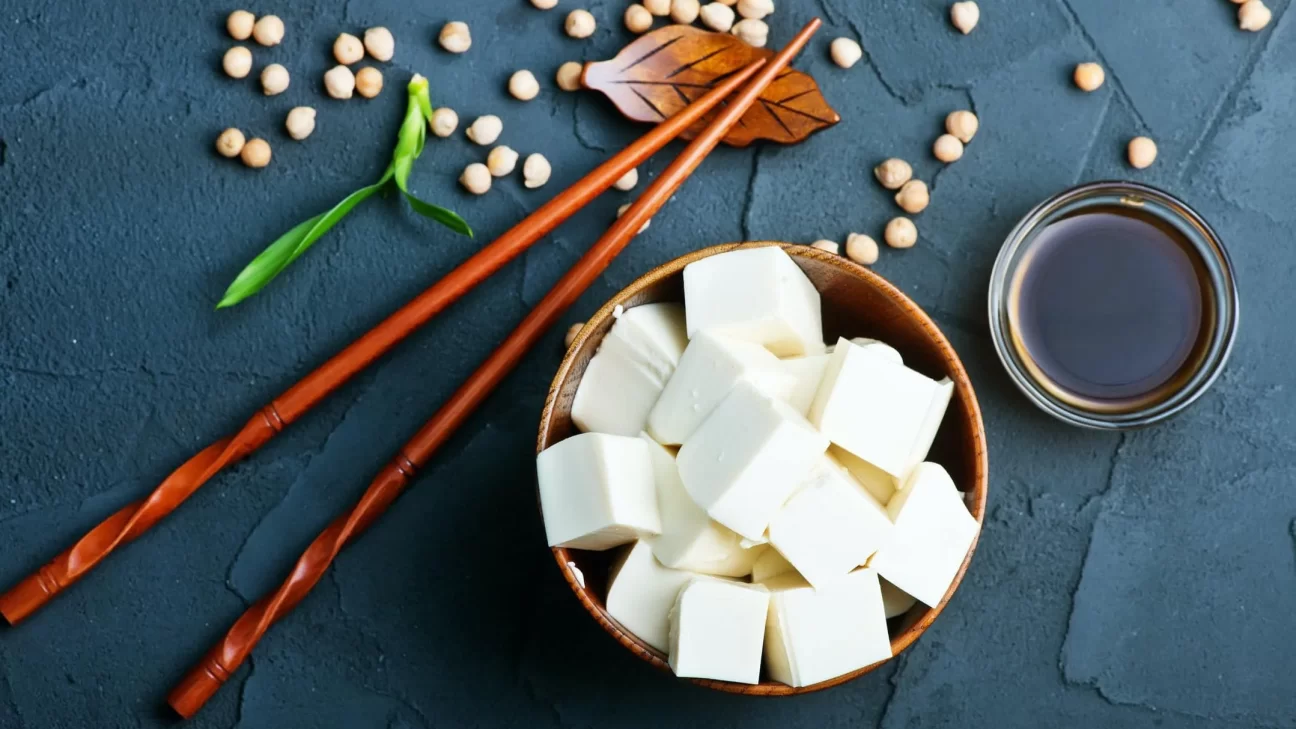
- Tofu
- Tempeh
- Edamame
- Soy milk (fortified with calcium and vitamin D)
- Soy nuts
- Miso
Soy and Hormonal Health: The Role of Isoflavones
Isoflavones in soy can bind to estrogen receptors in the body, sometimes mimicking estrogen’s effects and other times blocking them. This selective estrogen receptor modulation means soy can support hormonal balance without the risks associated with hormone replacement therapy.
Benefits for Menopause Symptoms
Menopause often brings hot flashes, night sweats, mood swings, and bone density loss due to declining estrogen levels. Research shows that consuming 1-2 servings of soy foods daily (equivalent to about 25-50 grams of soy protein) can help reduce the frequency and severity of hot flashes. Genistein, a key isoflavone, is particularly effective in this regard.
Additional menopause benefits include:
- Supporting bone health by promoting calcium retention and bone metabolism.
- Modestly lowering LDL (“bad”) cholesterol, which supports cardiovascular health.
Soy and Breast Cancer: Separating Myths from Facts
A common concern is that soy’s estrogen-like compounds might increase breast cancer risk, especially hormone receptor-positive types. However, extensive population studies and clinical trials reveal the opposite:
- Soy consumption is associated with a reduced risk of breast cancer, particularly when consumed regularly over a lifetime.
- Breast cancer survivors consuming moderate amounts of soy (1-2 servings daily) do not experience increased recurrence risk; some studies suggest a modest survival benefit.
- The American Cancer Society and other leading organizations endorse soy foods as safe for women with or without breast cancer.
Importantly, whole soy foods are recommended over high-dose isoflavone supplements, which lack sufficient safety data.
Soy’s Impact Across Life Stages
Young Adulthood and Pregnancy
- Bone Building: Soy provides protein and calcium vital for peak bone mass development.
- Pregnancy: Soy is a safe, high-quality protein source supporting fetal growth. Its fiber content aids digestion and blood sugar regulation, potentially benefiting women with gestational diabetes.
Perimenopause and Postmenopause
- Muscle Maintenance: Protein from soy helps counteract muscle loss accelerated by hormonal changes.
- Anti-Inflammatory Effects: Soy’s phytoestrogens and healthy fats may reduce joint pain and support metabolic health.
- Weight Management: Soy’s protein and fiber promote satiety, aiding in maintaining a healthy weight.
Other Health Benefits of Soy for Women
- Heart Health: Soy protein intake has been shown to modestly reduce LDL cholesterol, contributing to cardiovascular disease prevention.
- Bone Health: Isoflavones may increase bone mineral density and reduce fracture risk, especially postmenopause.
- Digestive Health: The fiber in soy supports gut health and regularity.
- Cognitive Function: Emerging evidence suggests soy isoflavones may help maintain memory and cognitive performance in older adults.
Practical Tips for Incorporating Soy into Your Diet
To maximize soy’s benefits for women’s health, consider these tips:
- Choose Whole or Minimally Processed Soy Foods: Tofu, tempeh, edamame, and fortified soy milk are nutrient-dense and versatile.
- Aim for 1-2 Servings Daily: Examples include 1 cup of soy milk, ½ cup cooked edamame, or 3 ounces of tofu.
- Avoid Excessive Intake of Soy Supplements: Whole foods provide balanced nutrients and safer isoflavone levels.
- Mindful Preparation: Incorporate soy into meals like stir-fries, smoothies, salads, and snacks.
- Consult Healthcare Providers: Especially if you have hormone-sensitive conditions or are on medications like thyroid hormone replacement or tamoxifen.
Addressing Common Concerns About Soy
| Concern | Evidence-Based Insight |
|---|---|
| Does soy cause breast cancer? | No. Moderate soy food intake is safe and may reduce breast cancer risk. |
| Can soy interfere with thyroid? | Generally no, unless iodine intake is low. Soy may mildly affect thyroid hormone absorption but is safe with adequate iodine. |
| Is soy safe during pregnancy? | Yes, in food amounts. High-dose supplements lack safety data. |
| Does soy cause hormonal disruption? | Isoflavones act as selective modulators and do not mimic estrogen’s full effects. |
Conclusion
Soy positively impacts woman’s health in multiple ways — from easing menopausal symptoms and supporting bone and heart health to offering a safe protein alternative that may reduce breast cancer risk. Incorporating moderate amounts of whole soy foods into a balanced diet can be a strategic choice for women at various life stages.