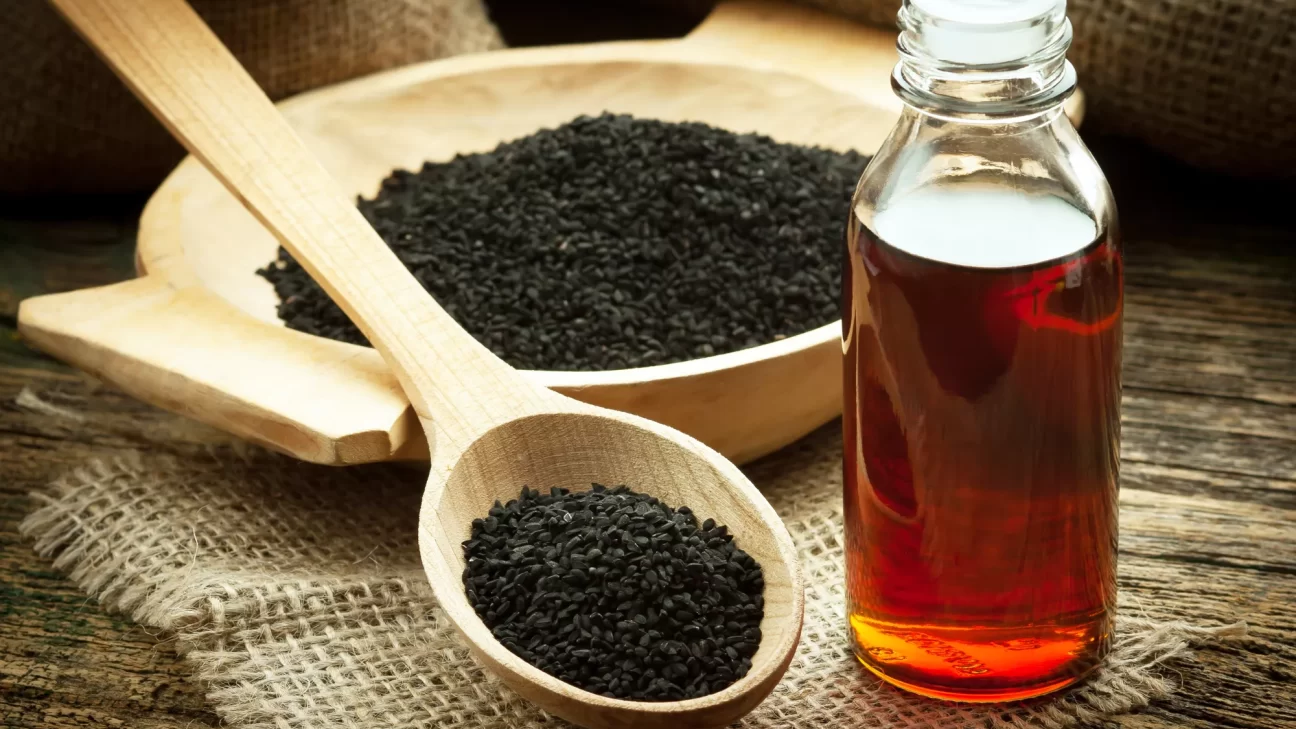
Black seed oil, derived from the seeds of Nigella sativa, has been revered for centuries as a potent natural remedy. Often called the “seed of blessing,” this oil is packed with bioactive compounds like thymoquinone, which contribute to its impressive health benefits. Whether you’re seeking to enhance your immune system, improve skin health, or support chronic conditions, black seed oil offers a versatile, natural solution.
In this article, we explore the compelling reasons to try black seed oil, backed by scientific research and traditional wisdom, helping you decide if this powerful oil belongs in your wellness routine.
What Is Black Seed Oil?
Black seed oil is extracted from the tiny black seeds of the Nigella sativa plant, native to regions such as the Middle East, South Asia, and North Africa. Known for its distinctive pungent aroma and bitter taste, the oil contains essential nutrients and phytochemicals, including thymoquinone, alkaloids, saponins, and fixed oils, which collectively contribute to its therapeutic effects.
Top Reasons to Try Black Seed Oil
1. Potent Anti-Inflammatory and Antioxidant Properties
One of the most celebrated reasons to try black seed oil is its powerful anti-inflammatory and antioxidant effects. The compound thymoquinone plays a central role in scavenging harmful free radicals and reducing oxidative stress, which is linked to chronic diseases such as cancer, cardiovascular disease, and arthritis.
- Studies show that black seed oil can reduce inflammatory markers like TNF-α and IL-6, helping alleviate symptoms of rheumatoid arthritis and other inflammatory conditions.
- Its antioxidant capacity supports cellular health and protects organs such as the liver and brain from damage.
2. Supports Immune Function and Fights Infections
Black seed oil exhibits strong antimicrobial and antiviral properties, making it a natural ally against infections.
- It has demonstrated effectiveness against antibiotic-resistant bacteria such as MRSA (methicillin-resistant Staphylococcus aureus).
- The oil also inhibits fungal infections caused by Candida albicans and Aspergillus species.
- Research suggests it may reduce the severity and replication of respiratory viruses, including influenza and SARS-CoV-2 (COVID-19), by modulating immune responses and interfering with viral entry into cells.
3. May Aid Blood Sugar Control and Metabolic Health
For those managing diabetes or metabolic syndrome, black seed oil offers promising benefits.
- Clinical trials have reported significant reductions in fasting blood glucose and improved insulin sensitivity after black seed oil supplementation.
- The oil’s bioactive compounds enhance glucose metabolism and may support weight loss by suppressing appetite and reducing body mass index (BMI).
- These effects can contribute to better cardiovascular health by lowering cholesterol and blood pressure.
4. Enhances Skin, Hair, and Nail Health
Black seed oil is widely used in cosmetic and topical applications due to its anti-inflammatory, antibacterial, and moisturizing properties.
- It can improve skin conditions such as acne, eczema, psoriasis, and hyperpigmentation by reducing redness and irritation.
- The oil promotes wound healing and skin hydration, supporting a youthful and healthy complexion.
- When applied to hair and scalp, black seed oil may reduce dandruff, strengthen hair follicles, and encourage hair growth.
5. Potential Anticancer Effects
Emerging research highlights black seed oil’s role in cancer prevention and adjunct therapy.
- Thymoquinone has been shown to induce apoptosis (programmed cell death) in various cancer cell lines, including breast, colon, and prostate cancers.
- It inhibits tumor growth and metastasis by modulating inflammatory pathways and enzymes involved in cancer progression.
- Although further clinical trials are needed, black seed oil holds promise as a complementary approach in cancer management.
How to Use Black Seed Oil
Black seed oil is available in liquid form, capsules, and as an ingredient in topical products like creams and shampoos.
- Oral Consumption: Typical dosages range from 1 to 3 grams daily for 4 to 12 weeks. Due to its strong flavor, mixing with honey or lemon juice is common.
- Topical Application: Apply directly to the skin or hair to benefit from its moisturizing and anti-inflammatory effects.
- Culinary Use: It can be added to foods or beverages but should not be exposed to high heat to preserve its nutrients.
Safety and Precautions
Black seed oil is generally considered safe for most adults when used appropriately. However, some people may experience mild side effects such as bloating, diarrhea, or allergic reactions.
- Pregnant or breastfeeding women should consult a healthcare provider before use.
- Those on blood pressure or blood sugar medications should seek medical advice due to potential interactions.
- Avoid excessive doses or long-term use without professional guidance.
Conclusion: Why You Should Try Black Seed Oil Today
The numerous reasons to try black seed oil—from its anti-inflammatory and antioxidant power to its antimicrobial and metabolic benefits—make it a valuable addition to natural health regimens. Supported by both ancient traditions and modern scientific research, black seed oil offers a holistic approach to wellness, skin care, and chronic disease management.
If you’re looking for a natural supplement that supports your body from head to toe, black seed oil is worth exploring. Always choose high-quality, cold-pressed oils and consult with a healthcare professional to tailor the dosage to your needs.